more thoughts on book sales
After my post about poetry sales figures and people’s responses, I’ve been thinking a lot about comparisons with what I know now of nonfiction sales, particularly of nature writing, memoir and biography. Since Recovering Dorothy first came out with Saraband in the UK in 2021, I’ve had experiences publishing nonfiction with presses of different sizes and reach, both in UK and the US/Canada: first Saraband; then Sceptre (an imprint of Hachette); then Unnamed in the US (a small and young indie); then Elliott and Thompson in the UK (an indie who links with Simon & Schuster for sales and distribution); then Milkweed in the US (who I’d long fantasised about being published by).
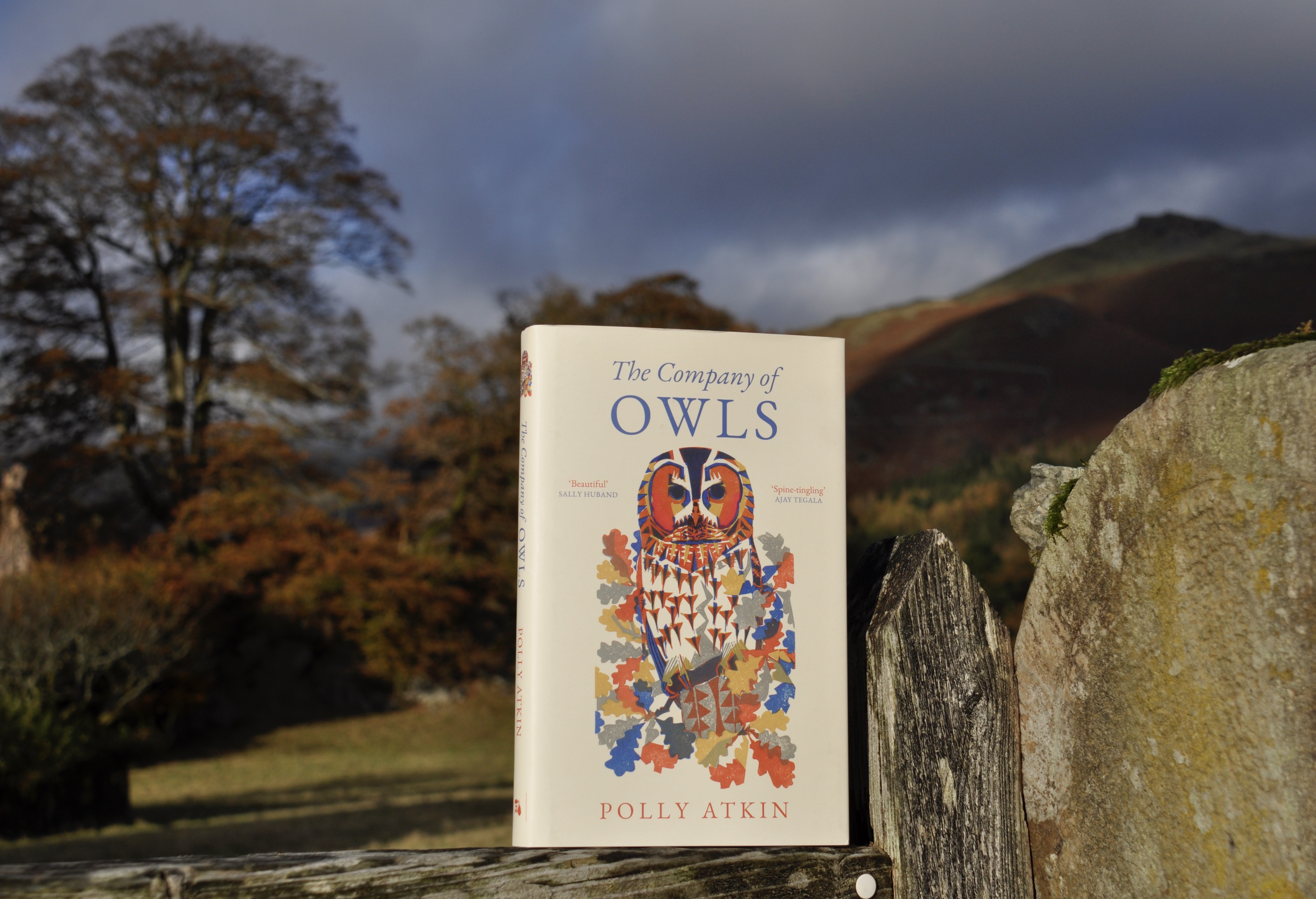
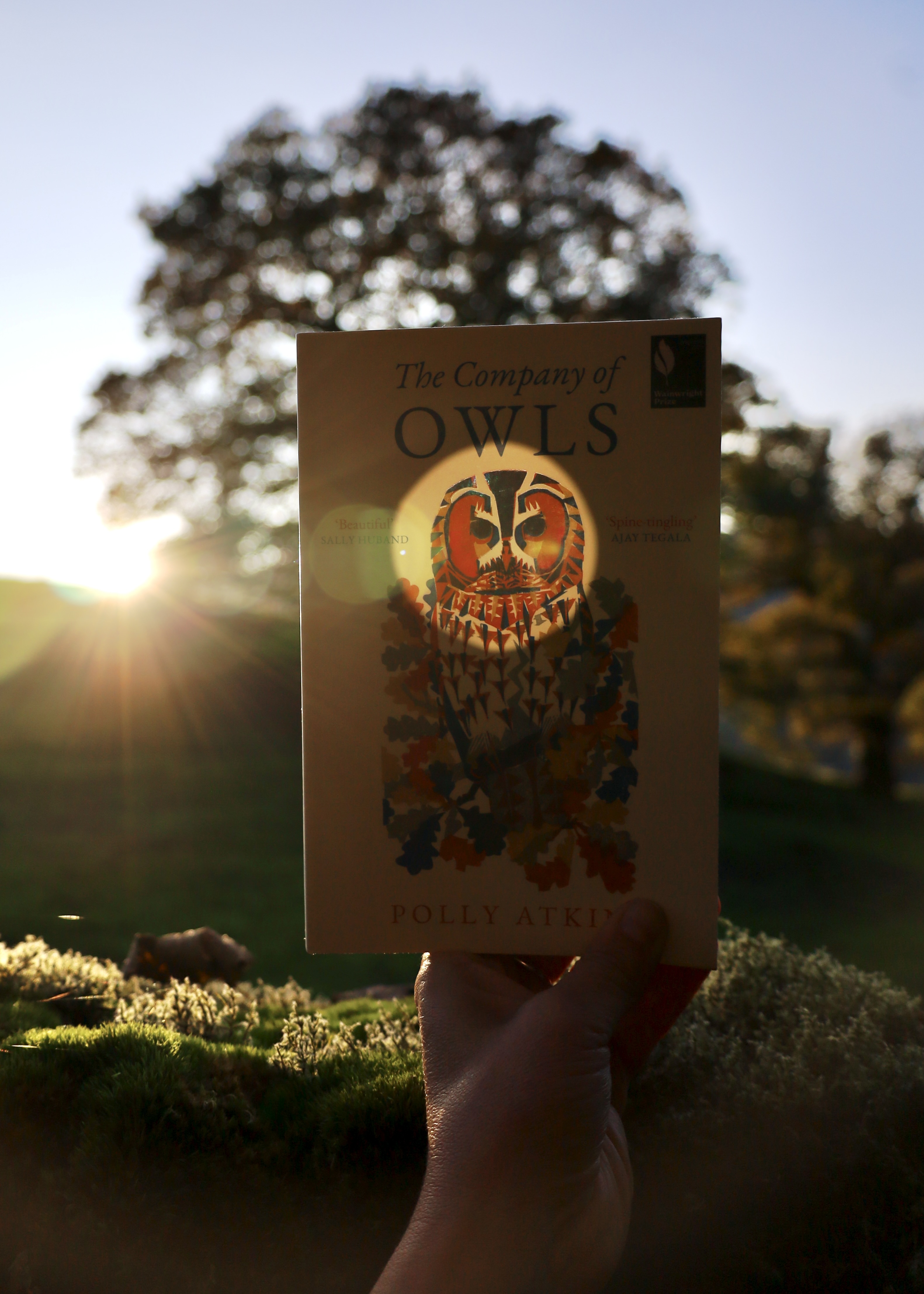
My bestseller in prose by a good chunk is The Company of Owls, both in the UK and US/Canada. Without delving too far into both past and present experiences, I’d say that’s a mix of the broader appeal of the book in general, the attention put into making it appealing as a package (with eternal thanks to Elliott and Thompson for running with Matt Underwood‘s gorgeous tawny owl print for the cover and making it looks so beautiful, with the gorgeous matching bookmarks) and the attention put into sales and marketing by both Elliott and Thompson, and Milkweed. Elliott and Thompson – through in-house Amy Greaves and freelance book publicist Katie Hambly (who was such a joy to work with) – gave me a really supportive and rewarding experience of pre-publication marketing. Katie secured all sorts of things I’d not had before, including various useful magazine pieces (like BBC Wildlife magazine, Resurgence, and Simple Things); an article in the Observer; reviews and media (eg. BBC Countryfile Magazine’s Sound Escapes). There were things we hoped for we didn’t get – still no woman’s hour! – but Katie’s work certainly increased visibility of the book. This was possible because she really engaged with it, and with my wider work. She got all the different elements of what I’m doing, and knew what she was pitching to people and how. This should be how it feels, but it’s too rare I think.
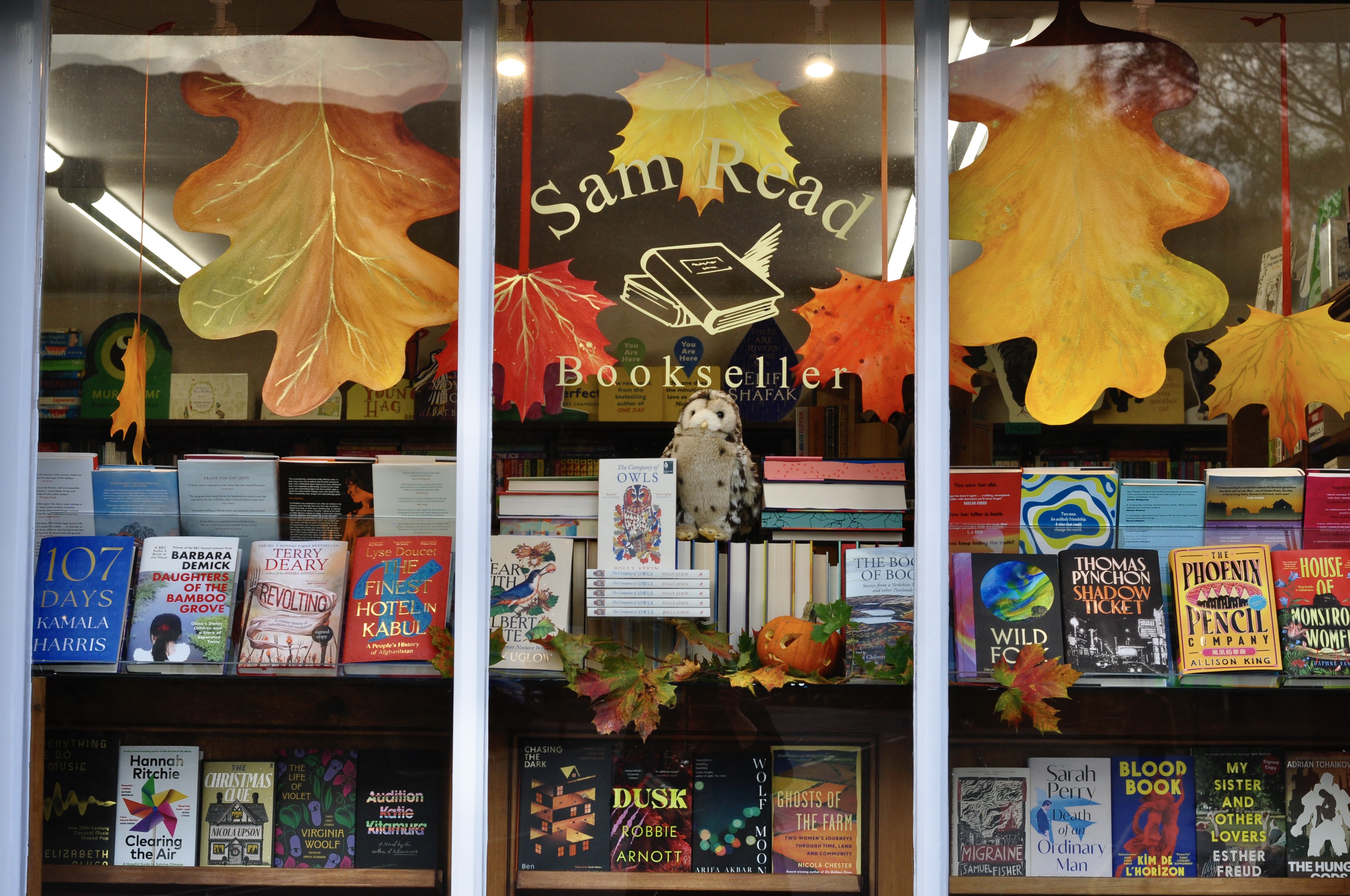
Still, The Company of Owls’ UK sales are in the cult rather than bestseller kind of arena, I’d say. It’s an ‘if you know you know’ book, not an ‘everyone’s read this, why haven’t you?’ book. Meanwhile, sales in the US have outstripped anything I’ve experienced before, boosted not only by Milkweed’s general appeal and reader following, and great work in general, but also by the incredible good fortune of being a February 2026 Indie Next List pick, which gave it early bookseller support across the states. I found myself making bestseller lists for the first time (other than at Sam Read’s!). Not the NY times, but the Independent Press Top 40 for nonfiction – but I kept appearing in that top 40, in different positions, amongst writers I could only dream of considering peers – on March 5th coming in at 10, wedged between Rebecca Solnit and Robin Wall Kimmerer. I couldn’t imagine that happening in the UK, where I feel very far down the pecking (sorry!) order.
The broad spread of its sales has brought me into some wonderful and surprising conversations from afar. These include the one linked above, with Tyler Sidoran, who interviewed me as part of their BA coursework for a creative nonfiction module run by Sari Fordham at SUNY Oswego. Buteo Books chose it as their book club book for July, prompting discussion of attendees own owl experiences, It’s also reminded me of the possibilities when everyone involved in producing a book and bringing it to readers really believes in its ability to reach people.
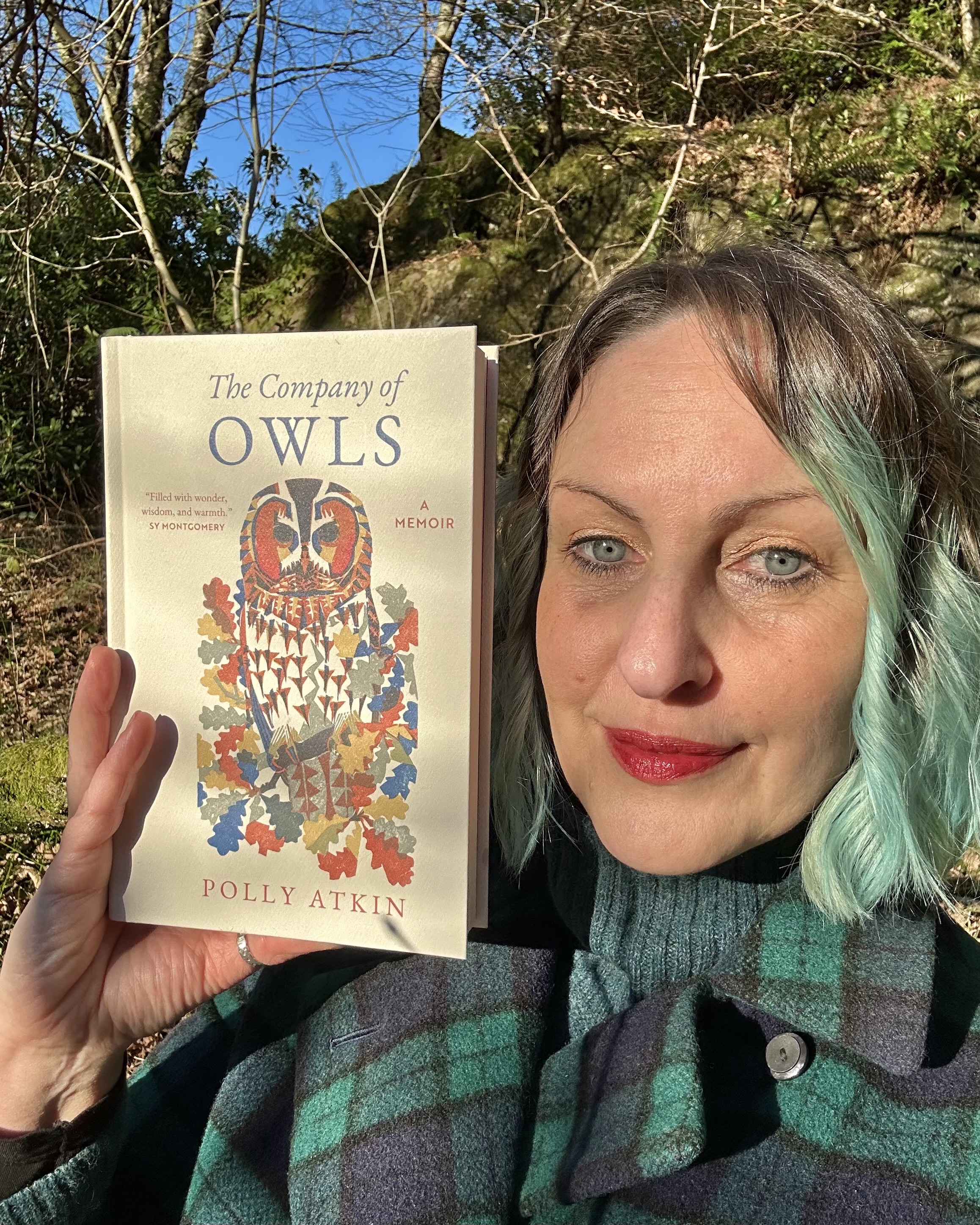
Most writers I know feel incredibly awkward about marketing their own work. It’s so hard to find a comfortable line to tread between letting people know our books exist and that they might like them, and feeling like you’re bombarding people with desperate pleas to buy yet another thing.
Here are the things I have seen make a statistically significant difference to a book’s sales in the shop:
* winning a well-known prize
* not winning a well-known prize but everyone thinking the book should have
* the author being on BBC breakfast news talking about the book
* a bookseller’s unquashable enthusiasm for handselling that particular book
What do we do if we can’t count on any of these?
I was struck hard by Caro Giles’ recent plea for readers to buy 500 copies of her hardback so that the publisher – well established indie nature-writing-specialist Little Toller – would bring out the more affordable and accessible paperback. As Caro details, she had all the ‘right’ publicity, but hasn’t worked through the print run yet. I think those figures are pretty standard, again, for writers in positions like mine or Caro’s – living in rurally/in the north/in Scotland, not moving in media circles, writing about subjects that are so important but that many people consider niche. I hope she makes it to her target and gets her paperback, but more than that, I hope for a publishing landscape that gives more opportunities for books and their writers to thrive as they should do. That gives them space to grow, that understands what they’re offering.
I still feel badly for Some of Us Just Fall, which did not get the chances it deserved to take off when it first fledged, but then it still keeps finding people despite it, and maybe that’s all any of us can really hope for – that the book is free to find the person who needs it when they need it.
May there be more chances or this to occur, for all of us.